We provide expert-led therapies and interventions to ensure holistic development for every child. With a personalized approach, we help children achieve their milestones with confidence and joy.
Behavioural Intervention uses evidence-based strategies, such as Applied Behaviour Analysis (ABA), to shape and encourage positive behaviours in children. It focuses on improving social skills, communication abilities, and learning behaviours through structured reinforcement techniques. Each session is customized to address a child’s unique developmental challenges. This approach breaks down skills into smaller, manageable steps for easier learning. The therapy is highly effective for children with autism, ADHD, and other developmental delays. Parents are often trained to continue reinforcement at home. Progress is tracked regularly to adapt strategies as needed. The goal is to replace negative behaviours with positive alternatives. Over time, it builds confidence, independence, and better adaptation to social environments.
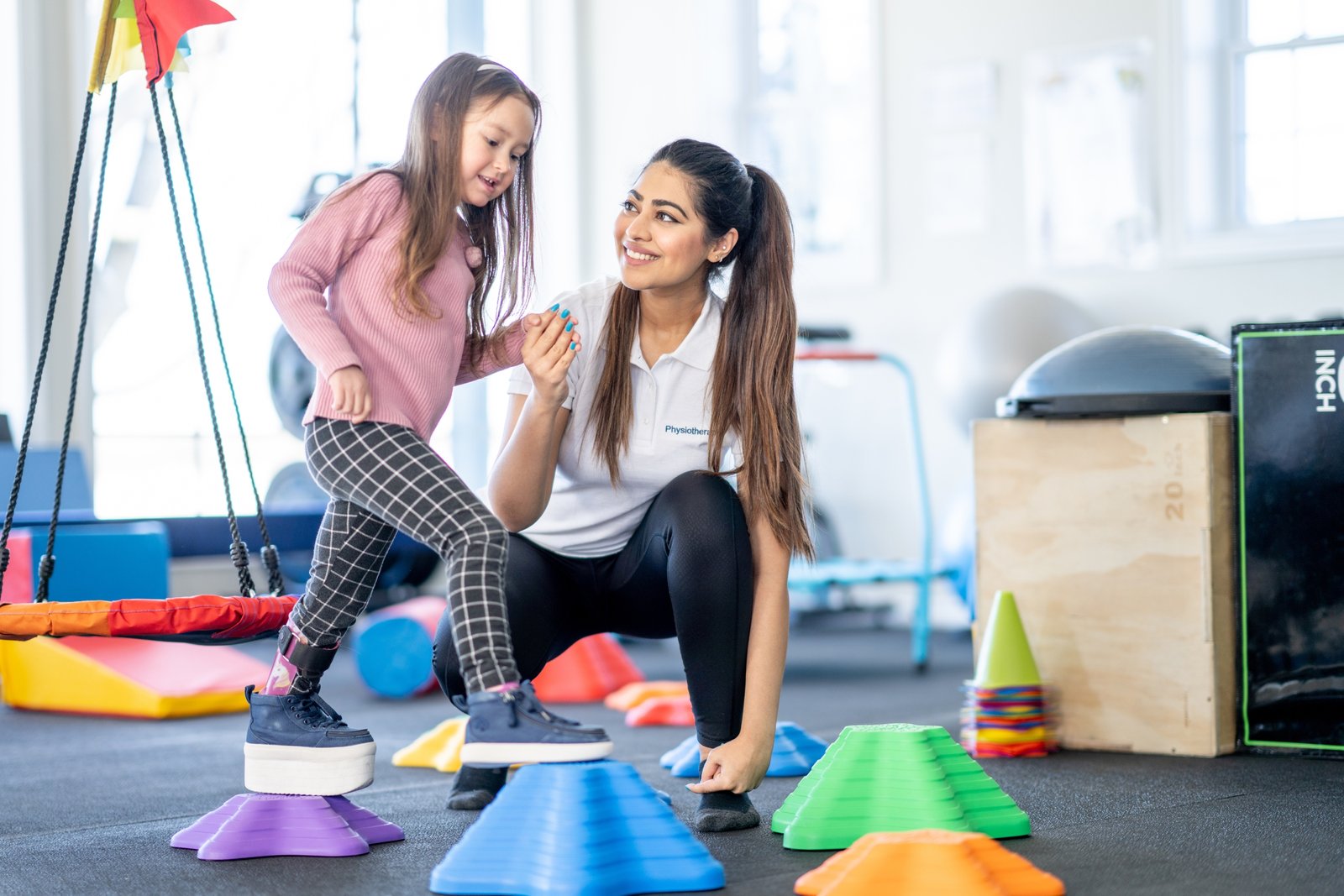
Special Education provides personalized academic programs for children with learning difficulties or disabilities. Each program is tailored to the child’s strengths, needs, and pace of learning. Certified special educators use alternative teaching methods, visual aids, and hands-on activities to make learning engaging. Goals may include literacy, numeracy, problem-solving, and life skills. Assessments are done regularly to track improvement. Lessons are structured to encourage participation and boost self-esteem. This service also focuses on helping children become independent learners. Collaboration with parents ensures learning continues at home. The ultimate aim is to enable each child to achieve their fullest academic potential. Support extends to helping them integrate into mainstream education if possible.
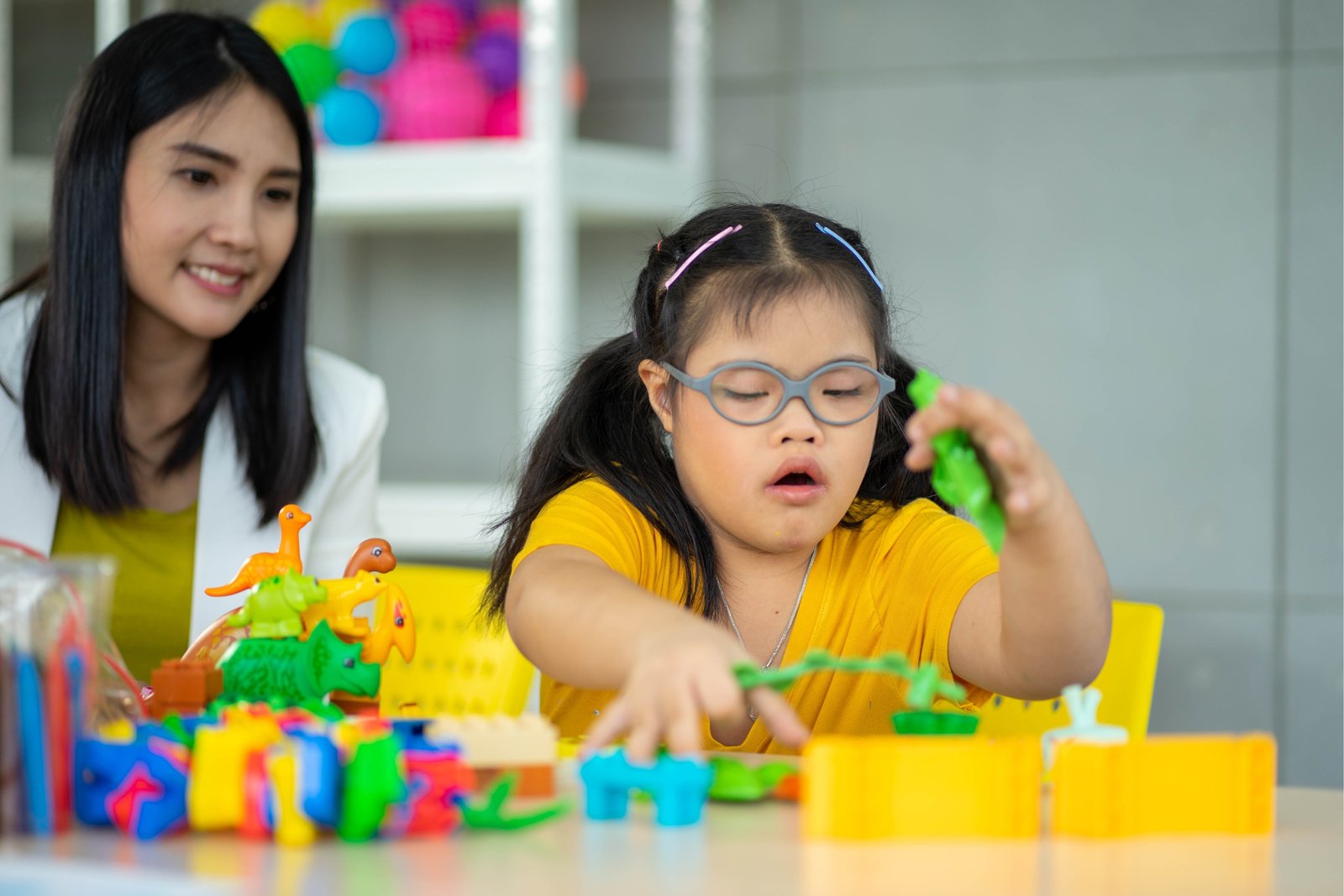
Occupational Therapy helps children develop the fine motor, sensory, and cognitive skills necessary for daily living. Therapists work on improving hand-eye coordination, grip strength, and balance. Sensory integration activities help children process and respond appropriately to sensory information. This therapy benefits children struggling with tasks like dressing, writing, or using utensils. Activities are designed to be fun while building essential skills. Each session is tailored to the child’s age and developmental stage. Progress is monitored through regular assessments. Parents are guided on exercises to practice at home. The ultimate goal is to foster independence in both school and home settings. It also boosts self-confidence by enabling mastery of everyday tasks.
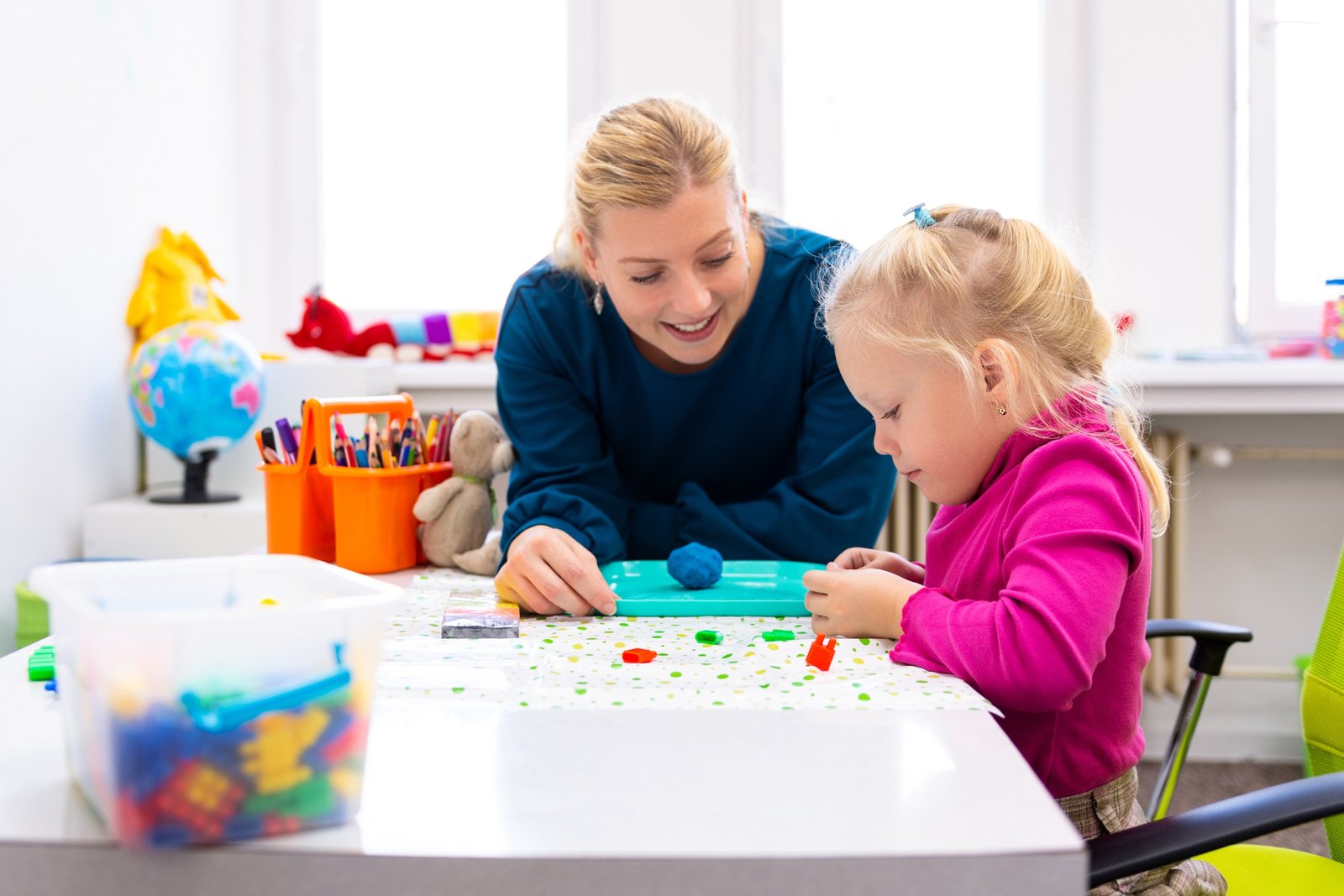
Speech & Language Therapy focuses on improving communication abilities in children. This includes speech clarity, vocabulary building, and understanding language. Therapists address issues like delayed speech, stammering, articulation problems, and social communication challenges. Interactive games and storytelling are often used to make sessions engaging. Children learn how to express themselves more effectively. Sessions may also target non-verbal communication skills. Regular progress checks ensure therapy goals are met. Parents are encouraged to support speech practice at home. This therapy not only improves speaking but also boosts confidence in social interactions. Over time, it helps children participate more fully in school and community life.
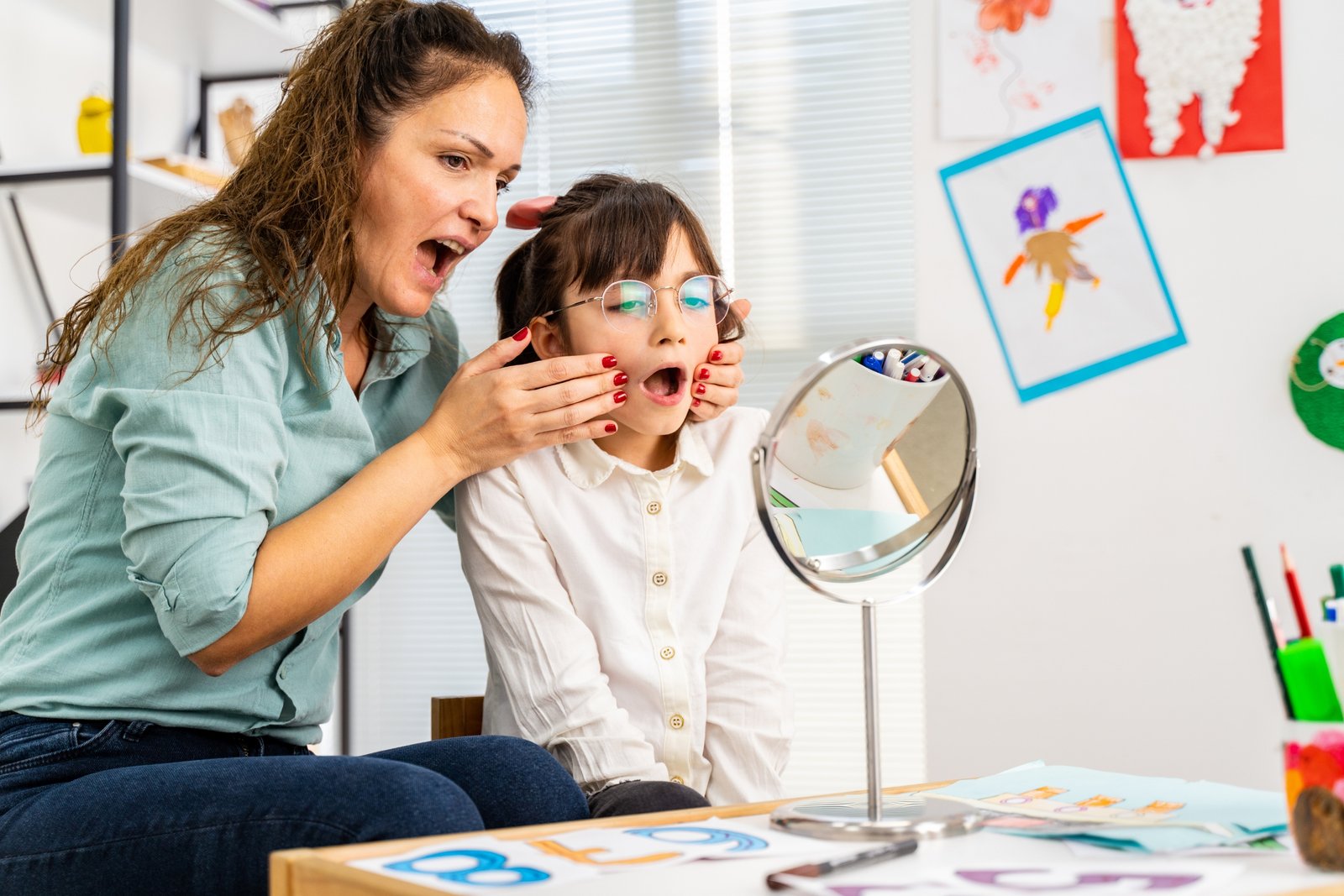
This program uses structured play activities to enhance a child’s cognitive, motor, and social development. Play sessions are carefully planned to encourage problem-solving, teamwork, and creativity. Activities may include puzzles, role-playing, and building tasks. Skills like hand-eye coordination and attention span are also developed. Children learn while having fun, which boosts engagement and retention. This approach is especially effective for younger children or those struggling with traditional learning. It also helps reduce anxiety and improve emotional well-being. Peer interaction during play fosters social skills. Parents receive tips to encourage similar play activities at home. Overall, it lays a strong foundation for academic and personal growth.
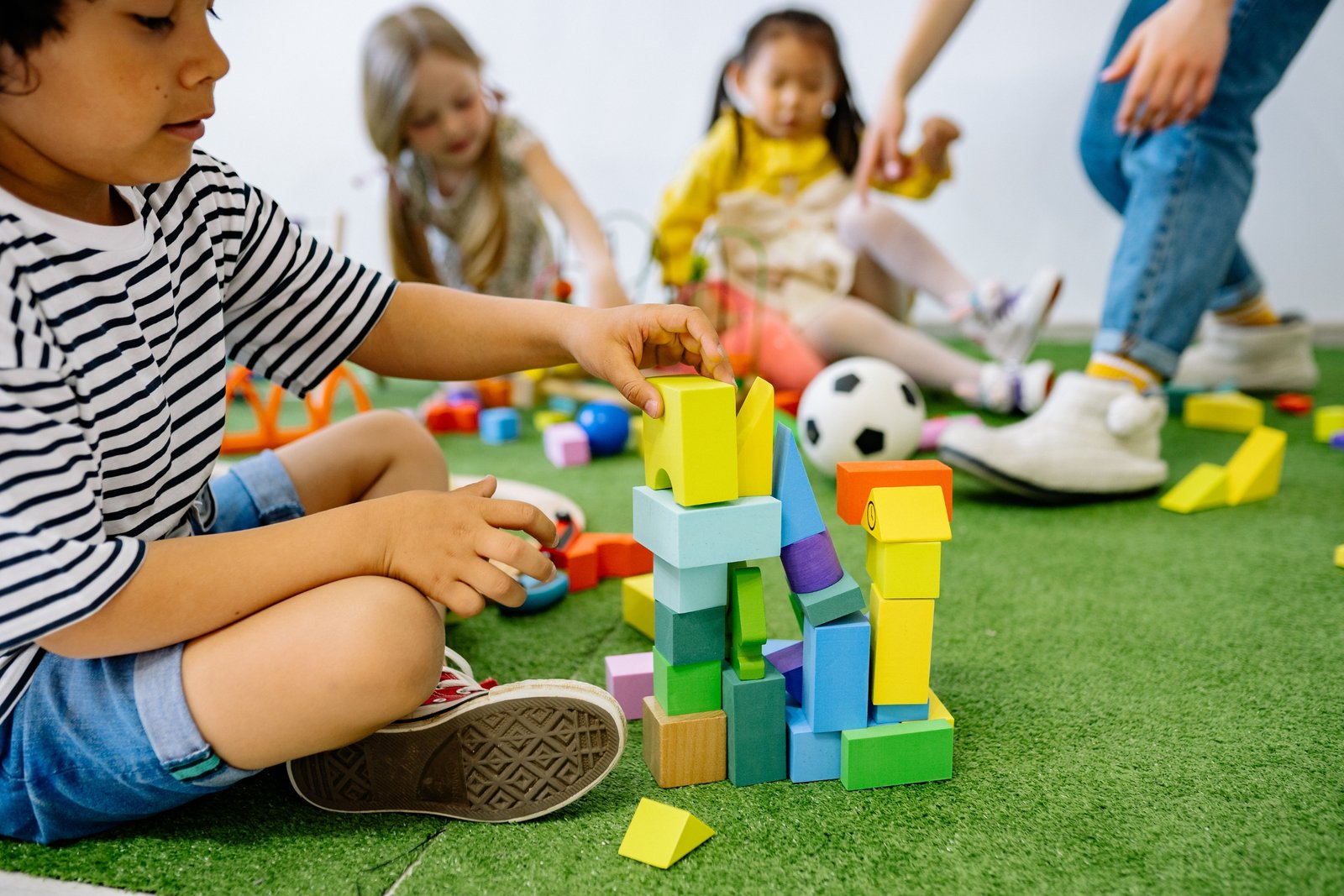
Psychological Assessments provide a complete picture of a child’s cognitive, emotional, and behavioural functioning. These evaluations identify strengths, weaknesses, and potential challenges. Standardized tests and observation methods are used. Results help in diagnosing conditions like ADHD, learning disabilities, or developmental delays. Assessments guide the creation of personalized therapy plans. They also assist schools and parents in understanding the child’s needs. Confidential reports are prepared and explained in detail. The process helps track progress over time. Parents are involved at every stage for clarity and support. Ultimately, assessments ensure that intervention strategies are accurate and effective.
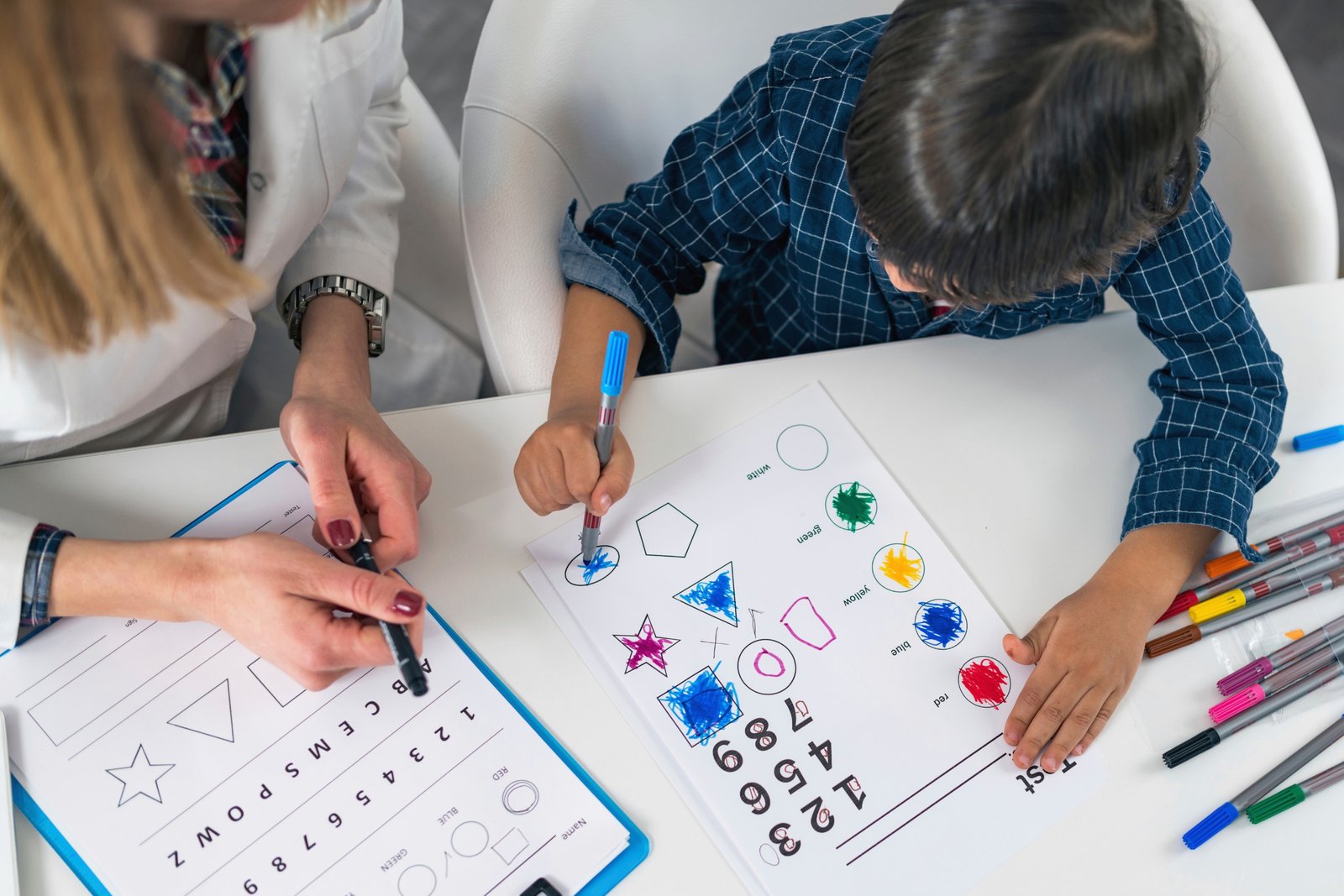
Counselling Therapy offers a safe space for children to share their feelings and concerns. It helps them cope with anxiety, stress, low confidence, or behavioural challenges. Trained counsellors use child-friendly techniques like play therapy, art, and storytelling. Sessions focus on building emotional resilience. Children learn coping strategies for everyday challenges. This therapy also strengthens communication between parents and children. Regular sessions promote better emotional regulation. Families are given guidance to create a supportive home environment. The aim is to nurture a child’s mental well-being alongside their developmental progress. Over time, it helps children face challenges with confidence and positivity.

Social Skills Training teaches children how to interact appropriately with others. Activities focus on turn-taking, sharing, listening, and understanding social cues. Role-playing and group games are used for practice. This training is vital for children who struggle in peer settings. Skills learned here help in both school and community environments. Sessions are designed to be interactive and fun. Children also learn how to handle conflicts calmly. Parents receive feedback and strategies to reinforce learning at home. This service boosts confidence in making and maintaining friendships. Ultimately, it prepares children for real-world social situations.

Parent Counselling helps families understand and manage their child’s developmental needs. Sessions provide strategies for behaviour management, communication improvement, and emotional support. Parents learn how to reinforce therapy goals at home. Counsellors also address parents’ own stress and challenges. The program strengthens family bonds and improves overall home harmony. Practical tips are shared for handling daily situations. Parents are encouraged to be active partners in their child’s development. This support ensures continuity between therapy sessions and home life. The goal is to empower parents with knowledge and confidence. Ultimately, it benefits the entire family unit.

Early Intervention targets developmental delays in toddlers and young children. Activities focus on speech, motor skills, and social abilities. Addressing delays early greatly improves long-term outcomes. Sessions are fun, engaging, and age-appropriate. Parents are involved in every step to support learning at home. The program is tailored to each child’s unique needs. Play-based methods make learning enjoyable. Regular progress reviews ensure goals are met. Early support boosts school readiness and independence. It lays the foundation for lifelong learning and development.

School Readiness prepares children for a smooth transition into mainstream or special schools. Activities develop routine-following, sitting tolerance, and basic academic skills. Social skills like sharing and cooperation are also taught. The program builds attention span and classroom behaviour. Lessons are interactive to keep children engaged. Parents are guided on preparing their child for school life. Regular assessments track progress. The aim is to ensure children enter school confident and capable. It reduces anxiety and increases adaptability. Ultimately, it sets the stage for successful learning experiences.
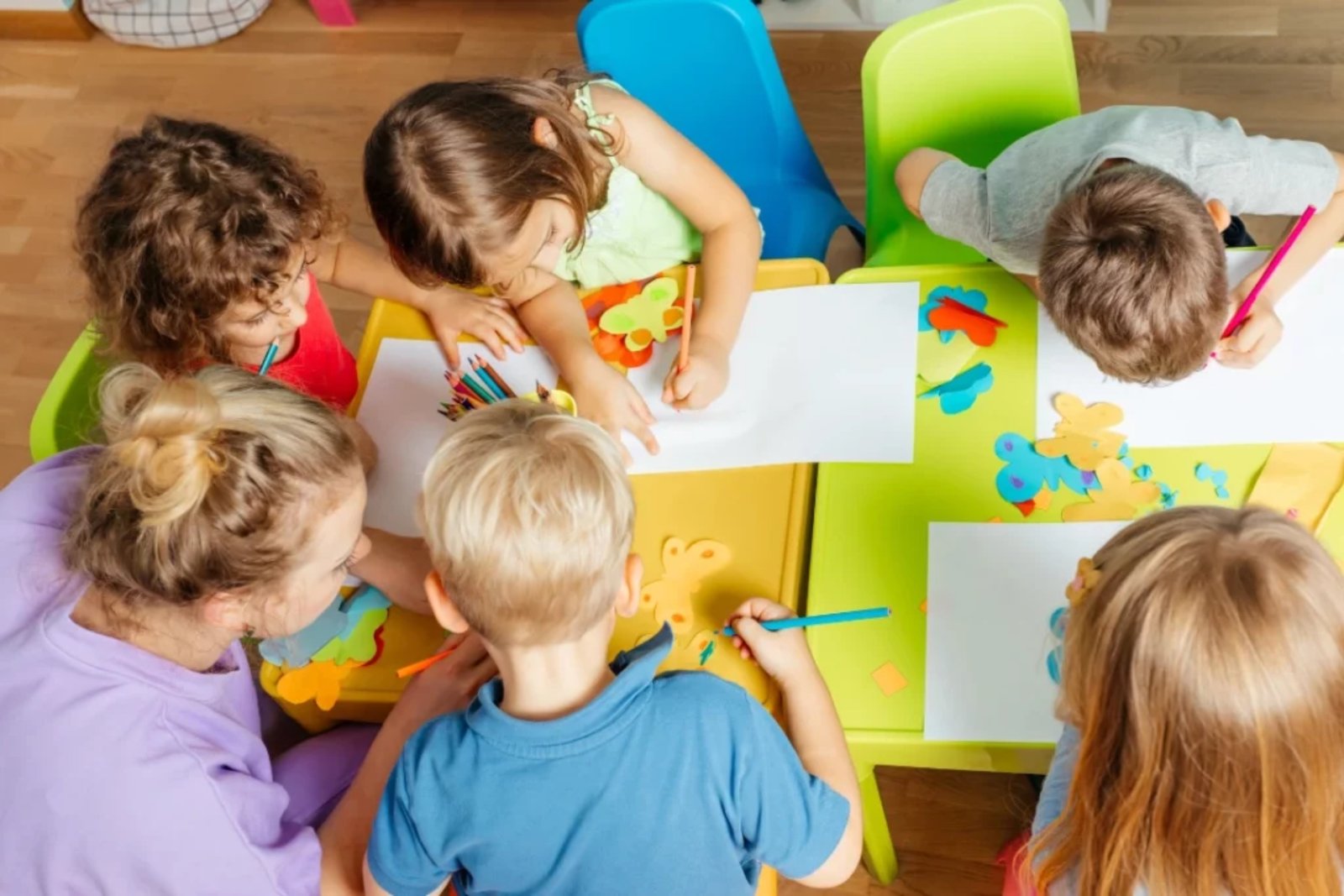
Inclusive Education Support works with schools to create adaptive learning strategies for children with special needs. This includes modifying lesson plans, providing assistive tools, and training teachers. The goal is to help children thrive in regular classrooms. Collaboration between therapists, teachers, and parents ensures consistent support. The program promotes equal learning opportunities for all students. It also encourages acceptance and understanding among peers. Progress is closely monitored for adjustments. The approach fosters both academic and social growth. Ultimately, it helps create an inclusive, supportive educational environment.